Paint Protection Options for Cars in 2026 – Part 2
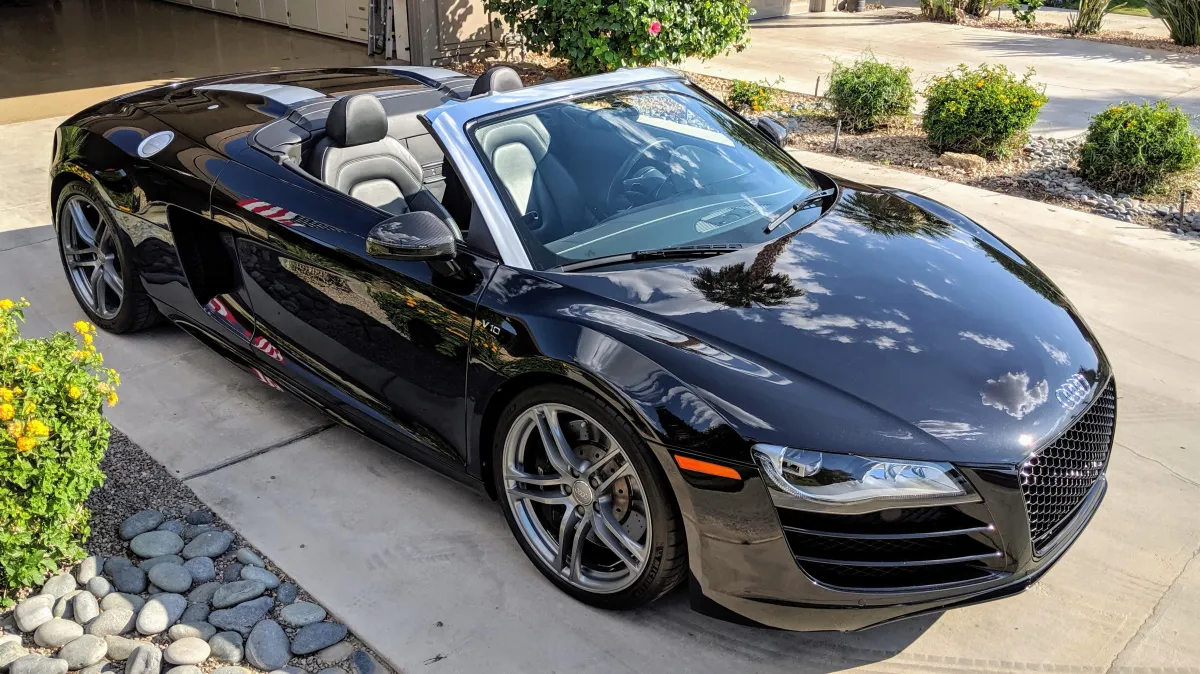
Quick answer: The best paint protection options for cars in 2026 include advanced graphene-infused ceramic coatings, self-healing Paint Protection Film (PPF), and high-build coatings like Icon Rocklear. Choose PPF for maximum scratch resistance, Icon Rocklear for unmatched depth and durability, and ceramic coatings for intense gloss and hydrophobicity.
In the first edition in this blog series, we introduced the different paint protection options that Virginia Beach vehicle owners should consider in 2026. Now, we’re going to deep dive into each, providing FACTS, the pros and cons, and some important considerations.
How do modern ceramic coatings protect car paint in 2026?
Modern ceramic coatings in 2026 operate at the nanoscale. The technology behind today’s ceramic coatings involves dense cross-linking polymers that embed themselves deeply into the porous surface of the factory clear coat.
The 2026 formulations frequently incorporate graphene or nanodiamond structures, significantly reducing the paint’s surface temperature and mitigating the dreaded water-spotting issues seen in older coatings.
NOW – it’s important to understand the FACTS about GRAPHENE, NANODIAMONDS, and what’s actually in these coatings.
Graphene is a two-dimensional, one-atom-thick layer of carbon atoms arranged in a hexagonal, honeycomb-like lattice. It is considered a “wonder material” because it is the world’s thinnest, strongest, and most conductive material.
There is ZERO actual Graphene in a coating with this term in its name or description. It’s impossible to synthesize this solid into a liquid form. So – what’s actually in a graphene coating? It’s either graphite (pencil lead shavings) or graphene oxide.
Graphene oxide is a single-atomic-layered carbon material made by chemically oxidizing graphite. Unlike pure graphene, it is decorated with oxygen-containing groups, making it highly water-dispersible and easy to process for advanced industrial, biomedical, and energy applications.
Nanodiamonds, on the other hand, have some legitimacy in the automotive coating industry. A nanodiamond is a microscopic diamond particle typically measuring 2 to 100 nanometers in diameter. Despite their minuscule size, they retain the extreme hardness, optical transparency, and thermal conductivity of bulk diamonds.
In the real world, they are formed during a massive meteor impact (which isn’t very common – nor should it be). Modern nanodiamonds are synthetically created. They are widely used in medicine, automotive engineering, and consumer products.
Key Characteristics of Nanodiamonds
- Structure: They are primarily composed of a pure carbon (sp3) diamond core surrounded by outer layers of flexible amorphous carbon.
- Surface Chemistry: Their large surface area relative to their size allows them to easily bond with various chemicals, making them highly customizable.
- Origin: They are typically synthesized through the detonation of carbon-based explosives in enclosed, high-pressure chambers.
That raises the question – are there measurable differences among modern nanoceramic, graphene, and nanodiamond coatings?
Not really. At least nobody’s provided laboratory ASTM data to prove the differences so far.
All of these coatings offer a minimum of five to seven years of extreme durability. Their slick surface tension provides unmatched hydrophobicity, meaning mud, road grime, and salt spray wash off effortlessly.
Furthermore, they serve as a sacrificial barrier against UV oxidation, preventing your paint from fading under the harsh Virginia sun while delivering a mirror-like gloss.
Application requires meticulous preparation, including rigorous chemical decontamination and machine polishing, followed by careful leveling of the coating in a climate-controlled environment.
Maintenance involves simple two-bucket handwashing with a pH-neutral soap to keep the coating’s microscopic pores free of contaminants.
FAQ: What should Virginia Beach drivers know about ceramic coatings?
How long does a modern ceramic coating last? According to industry standards in 2026, a professionally installed, high-solids ceramic coating will last between 5 and 10 years, provided you follow proper maintenance washing protocols.
Will a ceramic coating prevent rock chips? No. Ceramic coatings measure only a few microns thick. While they prevent chemical etching and minor wash marring, they cannot withstand the physical impact of a rock hitting your bumper at 70 mph.
Is a ceramic coating worth it for a leased vehicle? Choose a shorter-term (Six Months – 2 Year) ceramic coating if you lease your vehicle, as it eliminates the need for waxing and makes weekly washes incredibly fast, saving you time and effort over the lease term.
What makes paint protection coatings like Icon Rocklear different?
While ceramic coatings are fantastic, paint protection coatings like Icon Rocklear represent a totally different class of armor. Icon Rocklear is a highly engineered, high-build protective coating that is up to 75 times thicker than a standard ceramic coating.
Unlike traditional ceramics that simply sit on top of the clear coat, Icon Rocklear integrates heavily with the surface, providing a measurable layer of impact resistance.
The pros of Icon Rocklear include enhanced resistance to deeper scratches, superior corrosion resistance to coastal salt, and a brilliant, blinding shine that levels out existing clear coat imperfections. The primary con is the cost; this is a premium, specialized application that requires highly certified technicians.
Because of its thickness, Icon Rocklear behaves almost like a sprayable paint-protection film. It requires similar maintenance to a ceramic coating but offers a much wider margin of error when it comes to abrasive elements.
FAQ: How does Icon Rocklear perform in coastal climates?
Does Icon Rocklear protect against salt air corrosion? Yes. The high-build density of Icon Rocklear creates an impenetrable barrier that totally seals off the underlying metal and paint from the corrosive coastal salt air common in Virginia Beach.
Can Icon Rocklear fix my currently faded paint? Yes – but paint correction would be required prior to application. Because of its incredible thickness and leveling properties, Icon Rocklear can restore depth and clarity to moderately faded or micro-scratched paint without requiring aggressive cutting compounds.
How do I maintain an Icon Rocklear coating? Maintain Icon Rocklear by hand-washing the vehicle every two weeks using a dedicated, high-lubricity auto shampoo, keeping it away from automated car washes with spinning abrasive brushes.
How do self-healing paint protection films (PPF) prevent scratches?
Paint Protection Film (PPF), sometimes referred to as clear bra, is a thermoplastic urethane film applied directly over the vehicle’s body panels. In 2026, PPF technology features advanced elastomeric polymers that possess active self-healing properties.
When the film sustains a scratch, swirl mark, or abrasion, applying ambient heat—such as parking the car in the sun or pouring warm water over the panel—can cause the polymers to realign, effectively erasing the damage.
The benefits of modern PPF include unrivaled resistance to rock chips, deep-scratch prevention, chemical-stain protection, and an expected longevity of 10 to 12 years.
Vehicle owners can choose targeted coverage options, such as a “track pack” covering only the front bumper, hood, and mirrors, or opt for full-body custom wraps in matte or color-shifting finishes.
FAQ: Is Paint Protection Film (PPF) worth the investment?
What is the difference between PPF and ceramic coatings? Choose PPF for physical protection against rock chips and deep scratches. Choose ceramic coatings if you primarily want chemical resistance, ease of cleaning, and maximum gloss at a lower price point. Choose Icon Rocklear if you want the best of both options.
Can you see the edges of the PPF? Modern installation techniques in 2026 involve bulk-wrapping panels and tucking the film behind the bodywork’s edges, making it virtually invisible to the naked eye.
Does PPF turn yellow over time? No. Top-tier 2026 films utilize advanced aliphatic polyurethanes with built-in UV inhibitors that guarantee the film will not yellow, crack, or blister for the duration of the warranty.
What is the best way to maintain protected car paint?
Once you have invested in top-tier paint protection, maintaining it correctly ensures the technology performs for years.
Recommended car care products
Use a pH-neutral, wax-free car shampoo for maintenance washes, a ceramic-infused detail spray for spot cleaning, and a ceramic boost spray for enhanced hydrophobicity and added protection.
Highly alkaline soaps strip away the hydrophobic properties of your coating. And car wash soaps with wax, ceramic additives, and petroleum distillates leave a residue that collects more debris and makes the vehicle dirtier.
This is why we partner with Lumin8 Liquids, a next-generation detailing product manufacturer that has developed maintenance and protection products that work for all of these paint protection options. And they have three products you can use with the application method that is easier for you.
The best part – you can purchase these products at Ceramic King Coatings in Virginia Beach, or easily order online, with a pick up at our location option if you’re in the area, or affordable delivery options.
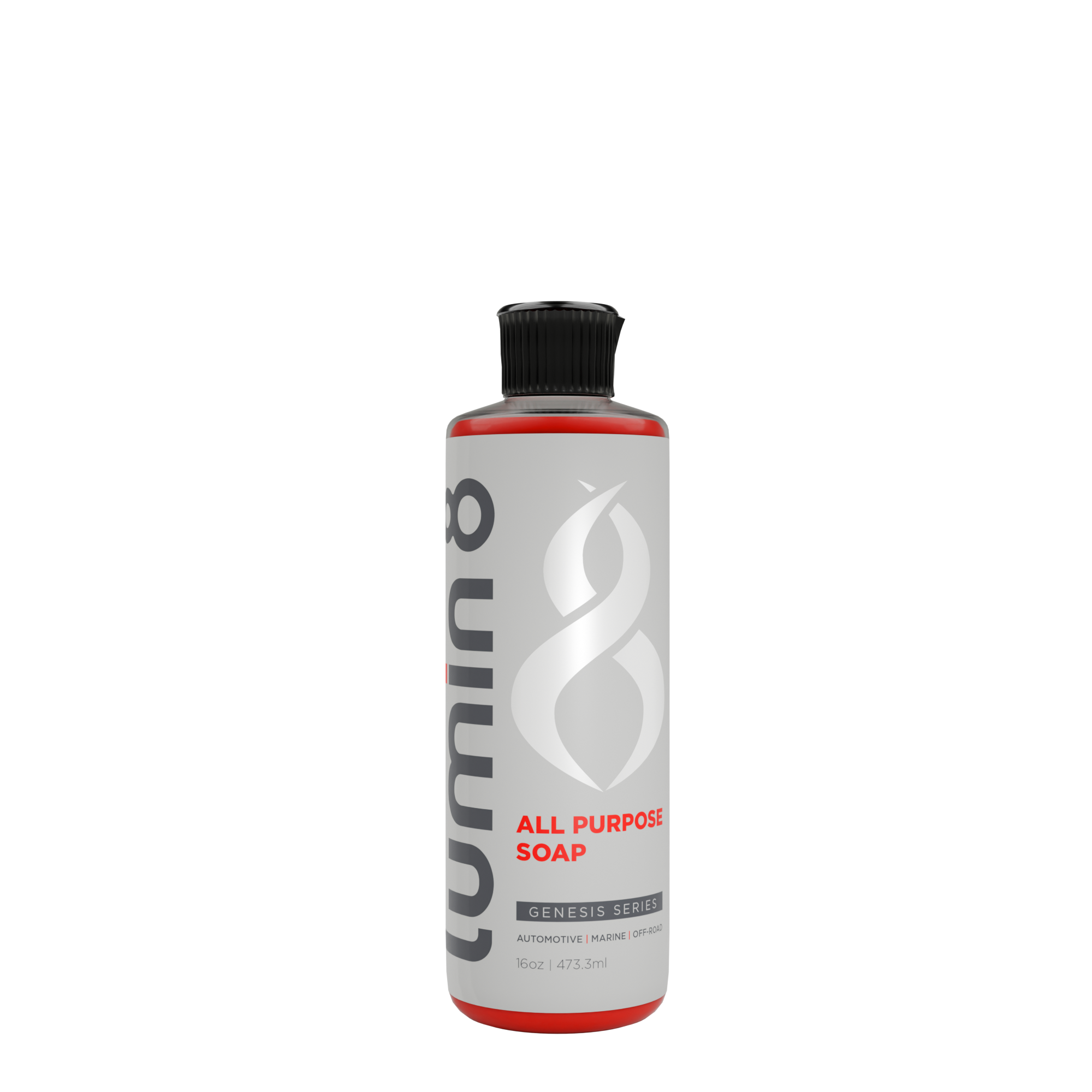
All Purpose Soap
High-performance wash for exterior surfaces. Can be diluted three ways for bucket washing, hybrid foam cannon and contact wash, or a 100 percent touchless maintenance wash via foam cannons.
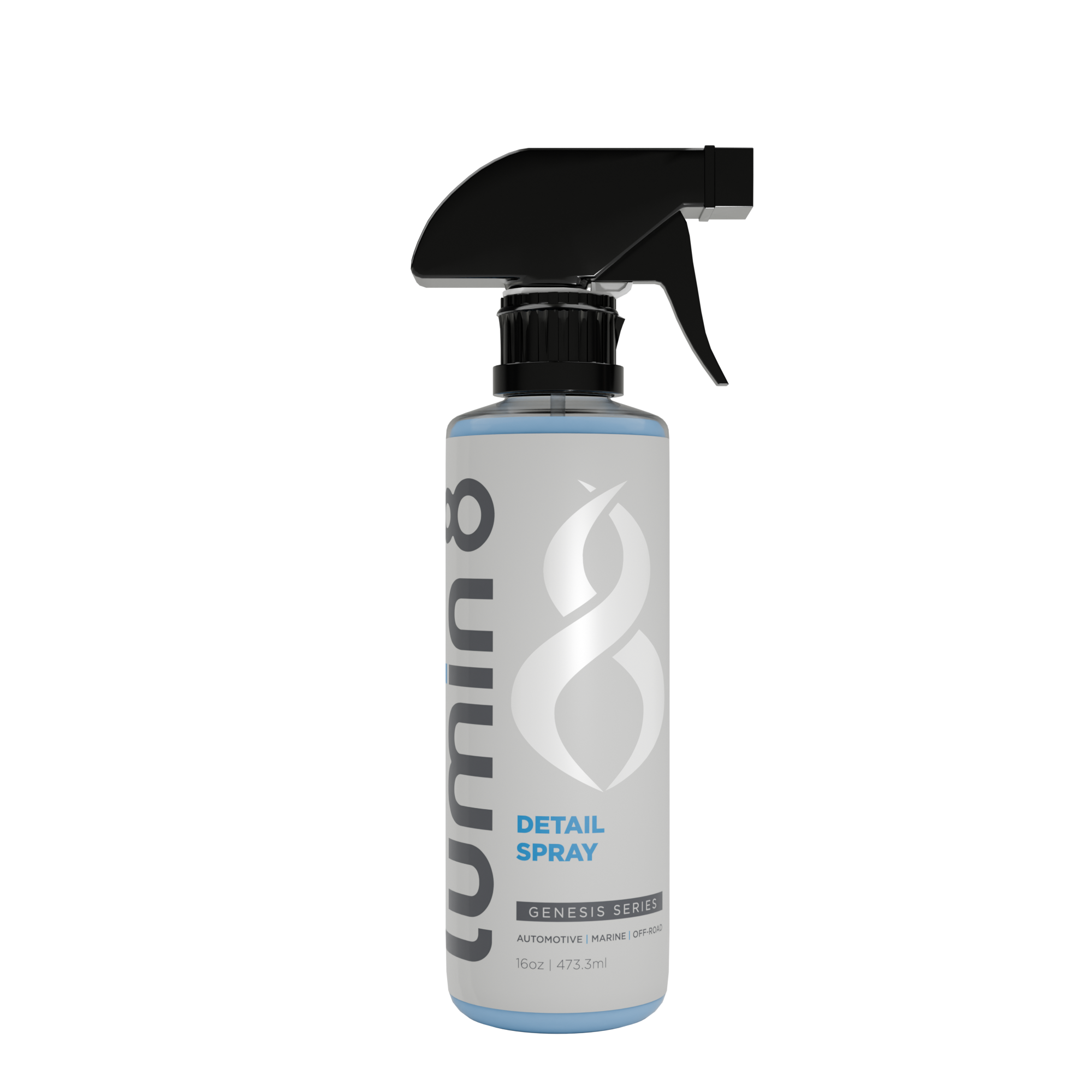
Detail Spray
Lumin8 Liquids Detail Spray is a ready-to-use, waterless wash-and-detail solution infused with SiO2 to enhance hydrophobicity and gloss for coatings and paint protection film.
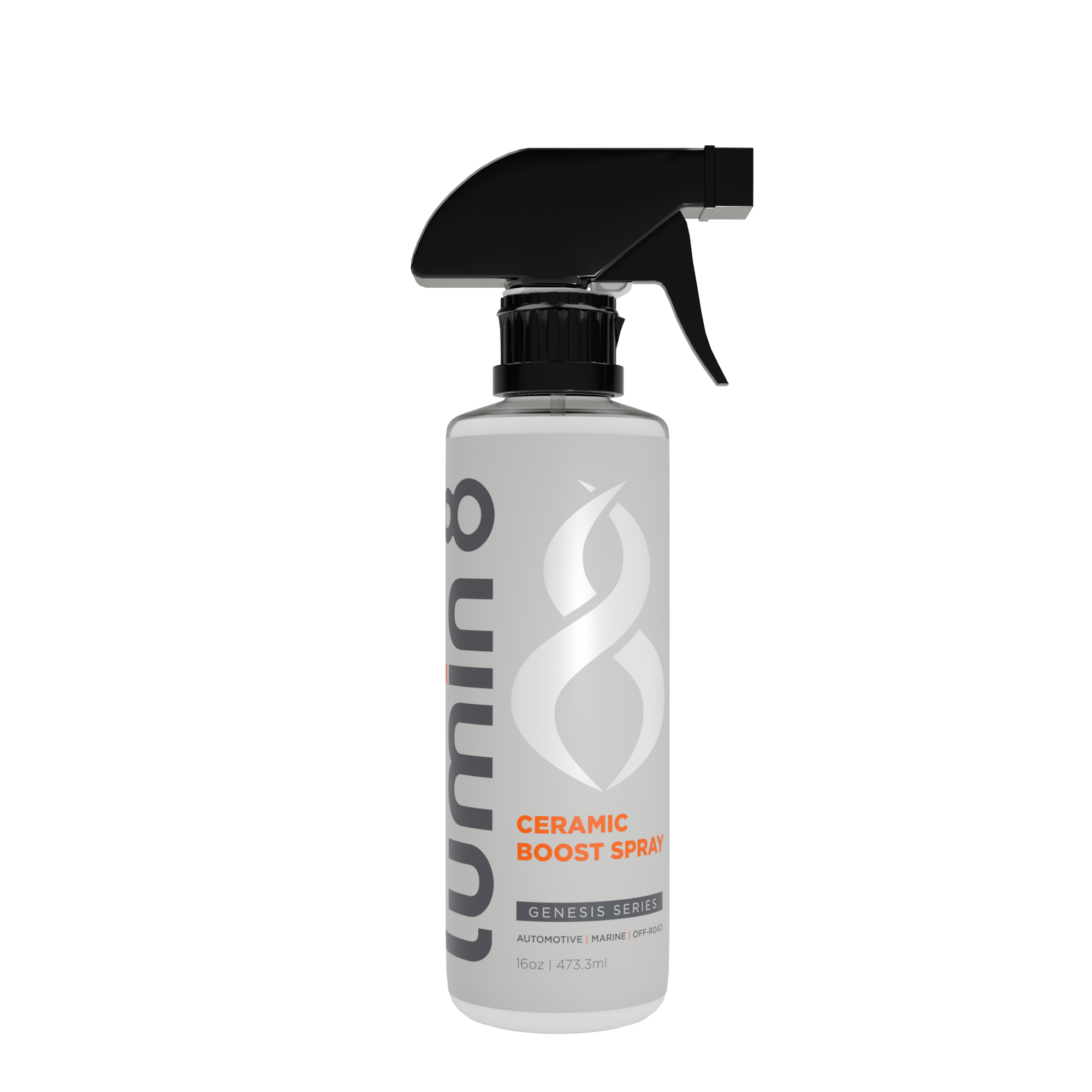
Ceramic Boost Spray
This is a multi-surface-compatible product that delivers up to 6 months of added protection. Works on non-coated vehicles, ceramic coated, PPF, vinyl wraps, gelcoat, or other paint protection coatings.
Final thoughts on securing your vehicle’s value in Hampton Roads
Choosing the right armor for your vehicle is one of the smartest ownership decisions you can make. The paint protection options for cars in 2026 offer something for every driver.
Whether you prioritize the absolute physical defense of self-healing PPF, the revolutionary high-build thickness of Icon Rocklear, or the stunning hydrophobic gloss of a graphene ceramic coating, the technology exists to keep your car looking factory-new.
Evaluating your driving habits, local environment, and budget will guide you toward the perfect solution. But knowing what to choose is only half the battle; finding a trustworthy, certified installer to do the heavy lifting is the key to a flawless finish.
If you are a new car owner in Virginia Beach, Norfolk, or Chesapeake, you don’t have to navigate these choices alone. Ceramic King Coatings is the recognized leader in automotive paint protection in Virginia Beach.
With a steadfast commitment to American work ethic, unmatched precision, and industry-leading products, they provide the ultimate defense for your vehicle. Contact Ceramic King Coatings today to safeguard your investment and dominate the road with confidence.
Let's Begin the Conversation!
Stop leaving your vehicle vulnerable to the harsh Virginia Beach environment. It is time to secure a permanent showroom shine, simplify your maintenance routine, and protect your investment with the industry’s leading ceramic technology.
At Ceramic King Coatings, we are dedicated to providing the ultimate level of protection and customer service. We will walk you through all of our available coating packages and help you determine the exact level of protection that fits your driving habits and budget.
Fill out the form below to connect with our expert detailing team. Provide us with your vehicle’s make, model, and year, and we will promptly reach out to discuss your specific needs and provide a comprehensive, no-obligation estimate.
Take the first step toward effortless car care and unparalleled coastal protection today.
CONTACT US
Ceramic King Coatings – Virginia Beach
2425 Bowland Pkwy #112, Virginia Beach, VA 23454
Ceramic King Coatings – Chesapeake
929 Ventures Way #112 Chesapeake, VA 23320
Sister Locations Across Virginia
Call for location details and booking!
Phone: (757) 330-8099
Email: info@CeramicKingCoatingsVA.com