Ceramic Window Tint vs. Regular Window Tint: Which Is Better for Virginia Beach Drivers?
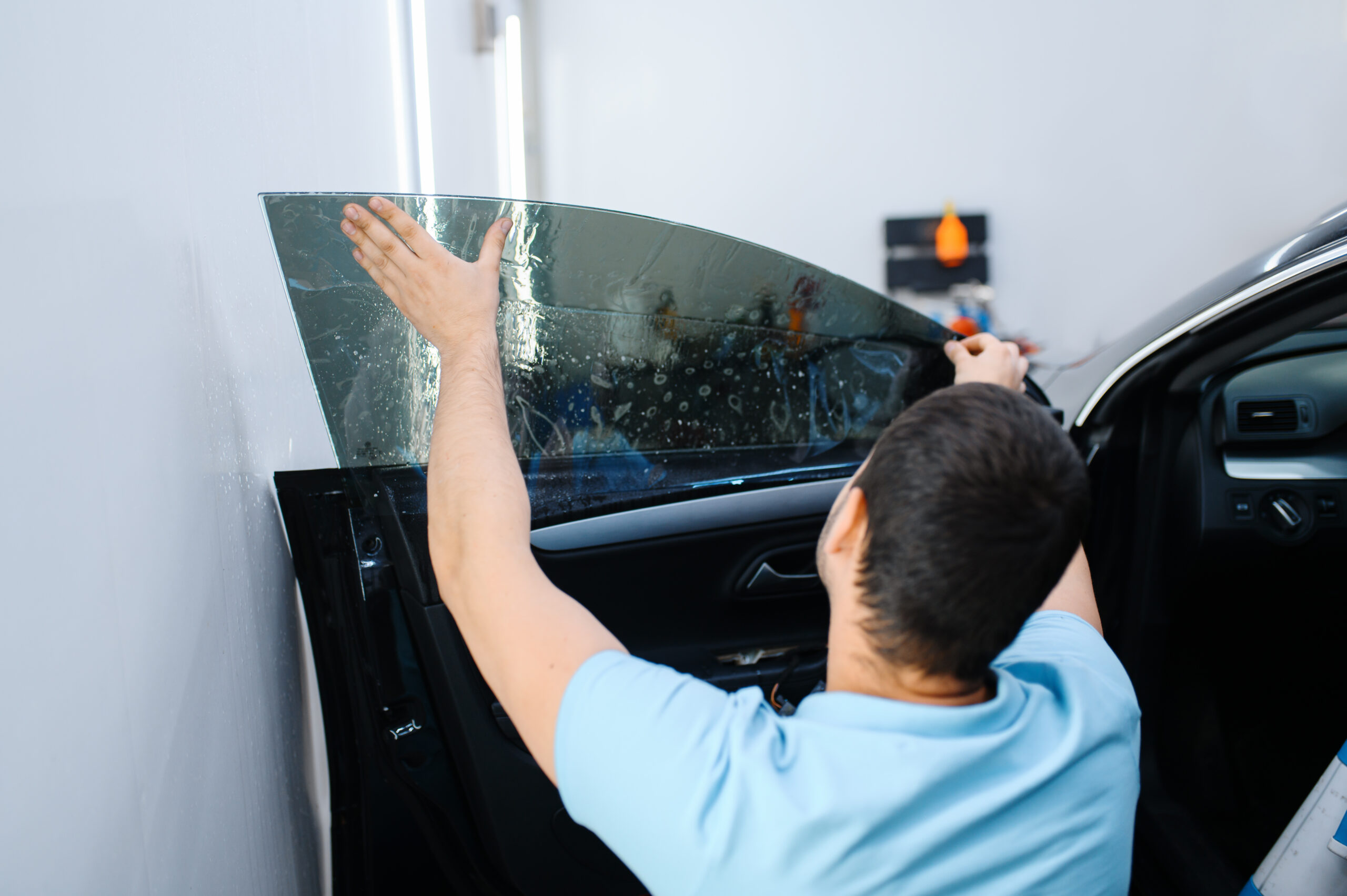
So you’re shopping around for window tint in Virginia Beach, and somewhere along the way, someone mentioned “ceramic window tint.”
Then you saw the price tag.
And now you’re wondering: is ceramic tint actually worth the extra cash, or is it just a fancy upsell?
Fair question. Let’s dig in.
Here’s the thing: not all window tints are built the same, and darker doesn’t automatically mean better. What’s built into the film makes all the difference in heat rejection, UV protection, glare, looks, and how comfortable your ride feels on a hot Virginia Beach afternoon.
Let’s break down ceramic tint versus the more traditional stuff so you can figure out what’s right for your vehicle.
What Is Regular Window Tint?
“Regular tint” is a catch-all term, but the most common entry-level option is dyed film.
Dyed film is what gives you that classic darkened-window look most people picture when they think “tinted windows.” Good-quality dyed films can also cut glare, boost privacy, add UV protection, and reduce heat.
Hybrid and metalized films also layer in extra tech for better heat rejection. Honestly, these can be a solid middle ground between price and performance.
But today’s premium ceramic films play an entirely different game.
What Is Ceramic Window Tint?
Ceramic window film uses microscopic ceramic particles built right into the film.
Here’s the part that actually matters: it’s not the word “ceramic” that counts; it’s what that tech lets the film do.
Modern nano-ceramic films are built to go after infrared energy — that’s the actual heat you feel from the sun — while also cutting UV exposure and glare. Unlike metalized films, ceramic tint doesn’t need a metallic layer to do the job.
Brands like Autobaun make ceramic films specifically engineered for infrared and solar heat rejection. This isn’t just marketing fluff — it’s real technology doing real work.
Does Ceramic Tint Actually Keep Your Car Cooler?
Yes, and it’s one of the biggest reasons people upgrade.
Think about how much sun a car soaks up sitting in a Virginia Beach parking lot all day. That’s a lot of solar energy pouring through your glass. Window film cuts down how much of that energy actually makes it into your cabin.
Premium ceramic films are built specifically for heat rejection, and depending on the product and shade, manufacturers report some serious reductions in solar and infrared energy getting through.
That translates to a noticeably less brutal experience when you hop back into your car after it’s been baking outside.
Now, let’s be real — your car will still get hot. Tint isn’t magic, and it won’t turn your Civic into a walk-in cooler. But it can make the cabin more bearable and help your AC catch up faster.
Does Darker Tint Block More Heat?
Here’s where things get interesting, and honestly, a little counterintuitive.
Dark and “good at blocking heat” aren’t the same thing.
Visible Light Transmission (VLT) measures how much light gets through. Heat rejection measures something else entirely. A dark film might look great and cut glare like a champ, but a smarter, more advanced lighter film can actually reject more heat than a lower-quality dark one.
Some premium films are specifically engineered to reject serious heat while keeping visible light transmission relatively high. That’s a big deal in Virginia, where there are legal limits on how dark you can go on certain windows.
Bottom line: instead of chasing the darkest tint on the shelf, you can choose based on the performance you actually want.
Ceramic Tint vs. Dyed Tint: The Real Comparison
For a lot of drivers, this decision boils down to price versus performance.
Dyed tint is a great call if your main goals are looks, privacy, glare reduction, and basic sun protection without breaking the bank.
Ceramic tint makes more sense when heat rejection and overall performance are top priorities. Yes, it costs more — the tech and construction behind it are simply more advanced.
If your car mostly lives in a garage and barely sees daylight, the ceramic upgrade might not matter much. But if you’re driving daily around Virginia Beach and Hampton Roads, or your vehicle sits outside baking in the sun for hours, that extra heat rejection becomes much more noticeable — and worth it.
What About UV Protection?
This one’s easy to overlook, but it matters.
UV radiation is slowly wrecking your interior — fading your dash, drying out your leather, and breaking down trim and fabric over time. Quality automotive films can block 99% or more of that UV radiation, depending on the product.
Think about everything inside your car that’s constantly exposed to sunlight: dashboard, seats, plastics, trim. Window tint adds a layer of protection between all of that and the sun, helping your interior look newer for longer.
Ceramic Tint Can Seriously Cut Glare
Anyone who’s driven straight into a low afternoon sun knows exactly how annoying — and dangerous — glare can be.
Window tint reduces the amount of visible light coming through your glass, which helps cut that glare. That’s a real win during morning and evening commutes around Virginia Beach, Norfolk, and Chesapeake.
Ceramic tint pairs that glare reduction with its heat-fighting tech, so you’re not just getting “dark windows” — you’re getting a genuinely more comfortable cabin.
What About Cell Phones, GPS, and Electronics?
Good question, especially with how connected modern cars are.
One perk of non-metallic ceramic film is that it skips the metallic layer that can sometimes mess with electronic signals. Ceramic films from manufacturers like 3M are specifically built metal-free to avoid interfering with GPS, satellite radio, mobile phones, and similar devices.
That matters more than ever in today’s tech-loaded vehicles.
Is Ceramic Window Tint Worth It in Virginia Beach?
For a lot of drivers, yes — especially if heat rejection is a major reason you’re considering tint in the first place.
But here’s the honest truth: not everyone needs the most expensive option on the menu.
The right film for you depends on your vehicle, your budget, how you drive, and what you actually want out of it. If you mainly want privacy and a style upgrade, a quality traditional film might do exactly what you need.
If you want serious heat rejection, top-tier UV protection, glare control, and premium performance across the board, ceramic tint becomes a lot more appealing.
Choosing the Right Window Tint for Your Vehicle
There’s no single “best” tint for every car. A daily-driven SUV parked outside all day has completely different needs than a weekend sports car that lives in a garage. And someone chasing max heat rejection might make a different call than someone who just wants their windows to look good.
That’s why professional installation should always start with a real conversation.
At Ceramic King Coatings, we’ll walk you through your options based on what you actually want out of your tint — not what’s easiest for us to sell.
Professional Window Tint Installation in Virginia Beach
Ceramic King Coatings handles professional window tint installation in Virginia Beach for cars, trucks, SUVs, and everything in between.
We proudly serve drivers throughout Hilltop, Great Neck, Red Mill, Kempsville, Princess Anne, Lynnhaven, Town Center, Shore Drive, the Oceanfront, Sandbridge, Pungo, and the surrounding Virginia Beach communities — plus Chesapeake, Norfolk, Portsmouth, Suffolk, and the rest of Hampton Roads.
Trying to decide between ceramic and traditional tint? Bring us your vehicle and tell us what you’re going for. We’ll help you find the film that actually makes sense for your car — not just push the darkest or most expensive option out the door.




Let's Begin the Conversation!
Stop leaving your vehicle vulnerable to the harsh Virginia Beach environment. It is time to secure a permanent showroom shine, simplify your maintenance routine, and protect your investment with the industry’s leading ceramic technology.
At Ceramic King Coatings, we are dedicated to providing the ultimate level of protection and customer service. We will walk you through all of our available coating packages and help you determine the exact level of protection that fits your driving habits and budget.
Fill out the form below to connect with our expert detailing team. Provide us with your vehicle’s make, model, and year, and we will promptly reach out to discuss your specific needs and provide a comprehensive, no-obligation estimate.
Take the first step toward effortless car care and unparalleled coastal protection today.
CONTACT US
Ceramic King Coatings – Virginia Beach
2425 Bowland Pkwy #112, Virginia Beach, VA 23454
Ceramic King Coatings – Chesapeake
929 Ventures Way #112 Chesapeake, VA 23320
Sister Locations Across Virginia
Call for location details and booking!
Phone: (757) 330-8099
Email: info@CeramicKingCoatingsVA.com