Facts About Ceramic Coatings in Virginia Beach in 2026
You’ve probably heard the hype sweeping through the local car meets. You know, the talk about those magical liquid shields that make your brand-new truck, SUV, or sports car look like it just rolled off the showroom floor, even after months of highway abuse on I-264. But if you’re cruising around Hampton Roads, you might be wondering what exactly goes into this automotive wizardry and if it can survive our unique coastal environment.
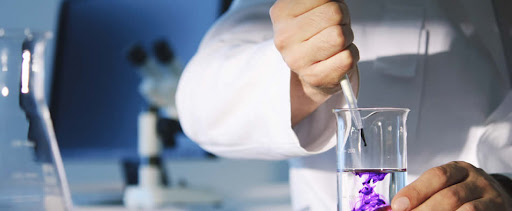
Let’s get one thing straight: ceramic coatings aren’t just snake oil in a fancy bottle. They are the result of serious chemistry, precision American-style manufacturing, and rigorous testing.
These liquid polymers bond with your vehicle’s factory clear coat at a molecular level, creating a protective layer that absolutely laughs at UV rays, seagull droppings at the Oceanfront, and the relentless road grime of the Hampton Roads Bridge-Tunnel (HRBT).
Understanding the science behind these products gives you serious insight into why they work so damn well, and why quality matters when you’re dropping your hard-earned cash on paint protection.
Today, we’re going to break down the essential facts about ceramic coatings in Virginia Beach, exploring how these modern shields are formulated and why they are an absolute must-have for drivers from Norfolk to Suffolk.
So, let’s pull back the curtain on the process that transforms raw chemical materials into the ultimate frontline defense for your ride.
The Building Blocks: Raw Materials That Actually Matter
The backbone of any heavy-duty ceramic coating is silicon dioxide (SiO2), also known as silica. Now, this isn’t the same sand you’ll find kicking around Sandbridge Beach. We’re talking about ultra-pure, nano-sized particles engineered to form the foundation of the coating’s defensive properties.
Silicon dioxide provides the diamond-like hardness and durability that make ceramic coatings so insanely effective. When properly formulated by the pros, these microscopic particles create a semi-permanent bond with your vehicle’s paint that can last for years, not just a few measly months.
But SiO2 doesn’t fight the battle alone. Manufacturers blend it with various other high-tech compounds to enhance specific properties that are highly relevant to Hampton Roads drivers:
Titanium dioxide (TiO2) adds extreme UV resistance and self-cleaning properties. If you’ve ever parked your ride under the scorching summer sun at the Virginia Beach Oceanfront, you know UV damage is a real threat. TiO2 prevents oxidation and gives premium coatings their signature hydrophobic effect. You know exactly what we mean, that deeply satisfying water beading that makes washing your truck feel less like a chore and more like a backyard science experiment.
Polymer resins serve as the carrier system, allowing the liquid coating to flow smoothly during application and cure properly to your clear coat. These resins determine how evenly the coating spreads across your paint, ensuring no spot is left unprotected against the salty air blowing in from the Chesapeake Bay.
Solvents and carriers keep everything in a liquid state until application. Once applied to your vehicle’s surface, these components flash and evaporate, leaving behind an impenetrable protective matrix.
The quality of these raw materials separates the men from the boys. Premium manufacturers source pharmaceutical-grade ingredients and maintain strict purity standards.
Cheap, knock-off products bought online often use inferior, watered-down materials that severely compromise durability. When you’re dealing with the unpredictable weather of the Seven Cities, you can’t afford to run on budget materials.
The Manufacturing Process: Precision in Every Single Batch
Creating a top-tier ceramic coating isn’t like mixing touch-up paint in a dusty Chesapeake garage. It is a highly controlled, scientifically rigorous process that requires specialized equipment and serious expertise.
Step 1: Material Preparation
Raw materials undergo extensive purification and quality testing. Silicon dioxide particles are reduced to a microscopic nano-scale—we’re talking 20 to 50 nanometers. For a little perspective, that is roughly 1,000 times smaller than the width of a single human hair.
Step 2: Formulation Mixing
This is the moment the magic happens. Master chemists blend the ingredients in precise ratios using high-speed, industrial-grade mixers and homogenizers. The ultimate goal is achieving perfect dispersion.
Every single nanoparticle needs to be evenly distributed throughout the solution to ensure your hood gets the exact same protection as your tailgate. Temperature and mixing speed are critical; excessive heat alters the chemical structure, while sluggish mixing creates weak spots.
Step 3: Aging and Stabilization
After the initial blend, the liquid coating undergoes rigorous aging. This allows the chemical bonds to properly stabilize, ensuring the formulation remains consistently tough over time. The best premium coatings will age for weeks before they’re ever deemed ready for a bottle.
Step 4: Filtration and Purification
Finally, the mixture is forced through multiple filtration stages to remove any rogue impurities or oversized particles. This step guarantees the butter-smooth application characteristics that set true professional-grade coatings apart from over-the-counter DIY disasters.
Quality Control: Testing for the Real World (and Real Virginia Weather)
You definitely don’t want to discover your ceramic coating is a dud when your brand-new SUV’s paint is on the line during a nasty Hampton Roads nor’easter. That’s why reputable brands put their products through hell before they ever reach the market.
Adhesion Testing ensures the coating permanently bonds with modern vehicle paint systems. Test panels are subjected to brutal scratch tests, crosshatch adhesion protocols, and extreme pull-off strength measurements.
Environmental Resistance Testing is where things get real for coastal drivers. Coated samples are placed in UV chambers to simulate years of exposure to the Virginia sun. They are placed in salt spray chambers that perfectly replicate the corrosive, salty coastal air of Norfolk and Portsmouth. They also undergo thermal cycling to mimic the wild temperature swings our region is famous for.
Durability Testing involves accelerated wear and tear using rotating brushes, harsh abrasive materials, and heavy chemical exposure. Quality coatings are expected to maintain their gloss and protective properties through thousands of simulated, highly abrasive wash cycles.
Application Readiness: Why the Installer Matters
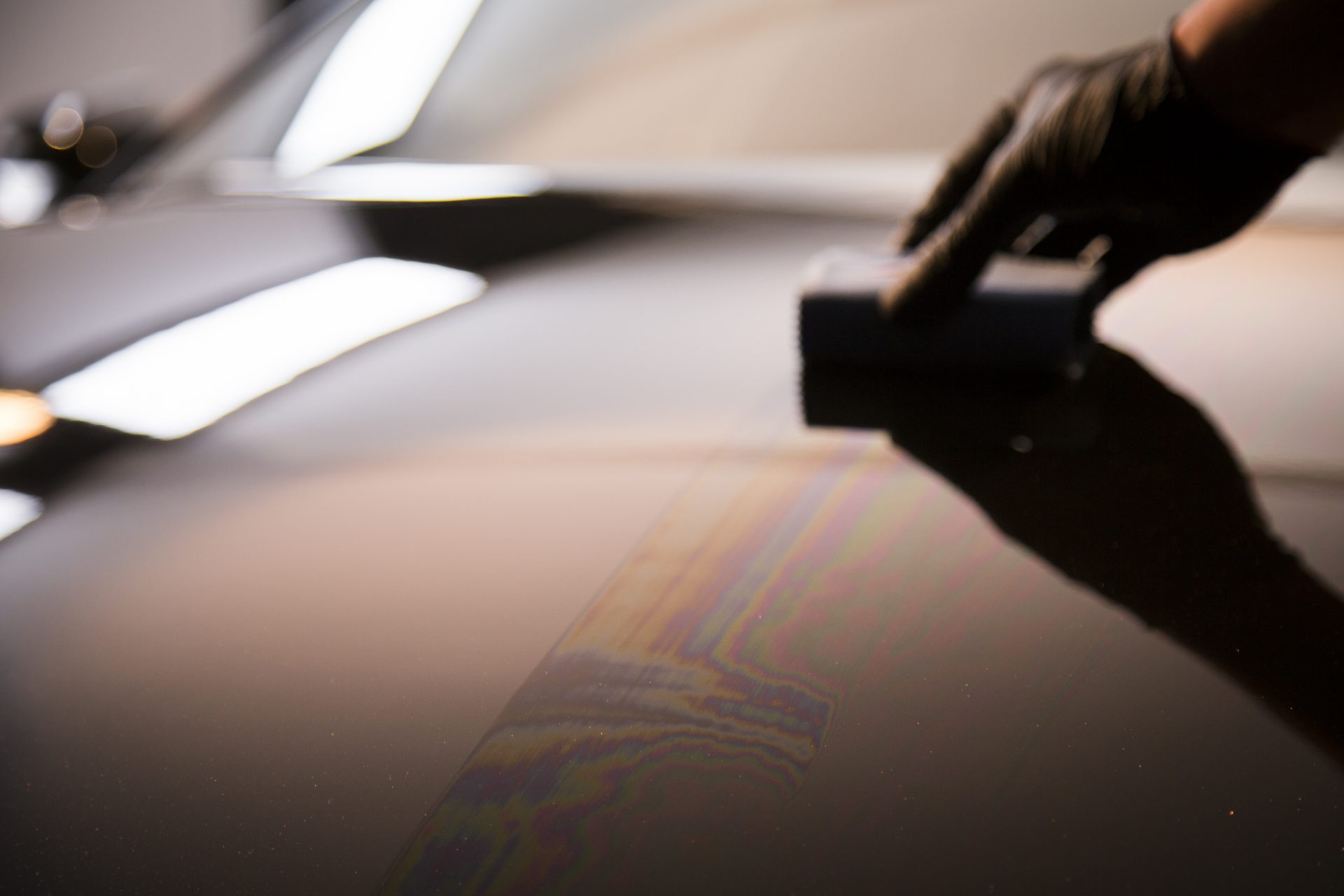
The final manufacturing steps prepare the coating for real-world application by adjusting its viscosity so it flows smoothly across your vehicle’s panels. But even the greatest, most scientifically advanced ceramic coating in the world is virtually useless if it isn’t applied correctly.
Proper application requires meticulous paint correction, a flawless decontamination wash, and an environmentally controlled shop space. It requires a steady hand and an expert eye. That is exactly where local expertise comes into play.
When everything is manufactured perfectly and applied flawlessly, you get a vehicle that looks like it’s dripping with gloss, shrugs off environmental contaminants, and makes your weekend wash routine incredibly fast.
Trust the Local Pros at Ceramic King Coatings
Understanding these facts about ceramic coatings in Virginia Beach makes one thing crystal clear: you need a professional to handle your investment.
The difference between a premium, long-lasting protective shield and a temporary, budget-friendly failure comes down to the product’s quality and the skill of the hands applying it.
If you own a new car, truck, or SUV in the Hampton Roads area, you need to protect it with the best. That’s where Ceramic King Coatings comes in.
As Hampton Roads’ premier ceramic coating installer, they have the expertise, the top-tier products, and the facility to ensure your vehicle is protected against everything the local environment can throw at it.
Don’t leave your paint exposed to the brutal Virginia elements for another day. Contact the expert team at Ceramic King Coatings today to learn more about how a professional ceramic coating can transform and protect your ride for years to come.
Let's Begin the Conversation!
Stop leaving your vehicle vulnerable to the harsh Virginia Beach environment. It is time to secure a permanent showroom shine, simplify your maintenance routine, and protect your investment with the industry’s leading ceramic technology.
At Ceramic King Coatings, we are dedicated to providing the ultimate level of protection and customer service. We will walk you through all of our available coating packages and help you determine the exact level of protection that fits your driving habits and budget.
Fill out the form below to connect with our expert detailing team. Provide us with your vehicle’s make, model, and year, and we will promptly reach out to discuss your specific needs and provide a comprehensive, no-obligation estimate.
Take the first step toward effortless car care and unparalleled coastal protection today.
CONTACT US
Ceramic King Coatings – Virginia Beach
2425 Bowland Pkwy #112, Virginia Beach, VA 23454
Ceramic King Coatings – Chesapeake
929 Ventures Way #112 Chesapeake, VA 23320
Sister Locations Across Virginia
Call for location details and booking!
Phone: (757) 330-8099
Email: info@CeramicKingCoatingsVA.com